Presidential Candidate Lost Once Ran Again
President Donald Trump will join the listing of Commanders-in-primary who were denied a 2nd term after running for reelection.
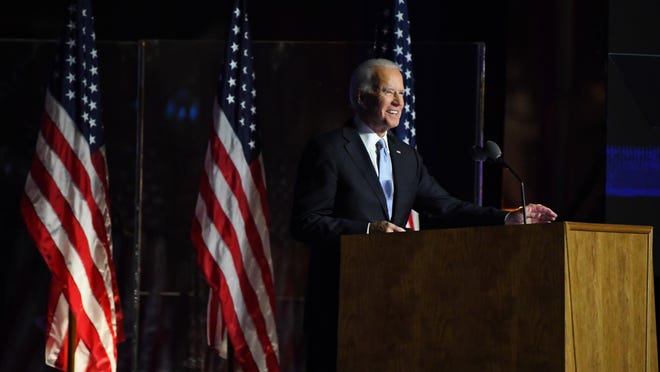
Former vice president Joe Biden was projected to defeat President Trump, thus making Trump the 10th incumbent to become a one-term U.S. president.
From John Adams to George H.W. Bush-league, ten Commanders-in-Master throughout U.S. history have run for re-election and lost.
Allow'south take a look into the by — at U.Southward. presidents who didn't get a second four years because they were denied by voters in the full general election.
Voting 2020 live updates:Long lines plague New York; Election Day forecast shows good atmospheric condition across US; Zeta storm
George H.W. Bush
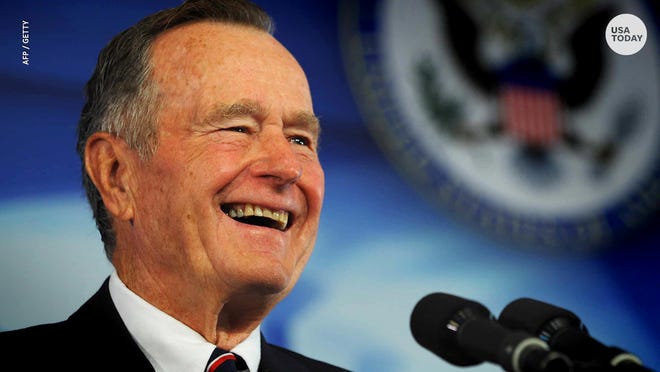
The nigh recent one-term president was George H.Due west. Bush. The Republican incumbent served as the 41st president of the United states of america from 1989 to 1993, just lost re-election to Democrat William (Neb) Clinton, who went on to complete two terms.
Bush's White House biography attributes his defeat to the country'due south "discontent at home from a unpleasing economy, rise violence in inner cities, and continued high arrears spending."
Jimmy Carter
The 39th president of the U.s., Democrat James (Jimmy) Carter, served from 1977 to 1981. He lost his re-election campaign to Republican Ronald Reagan, who went on to 2 full terms.
Carter'due south biography points to several factors that contributed to his loss — including a short recession and the hostage-taking of U.South. embassy staff in Islamic republic of iran. On the day Carter left office, Iran released 52 Americans.
Gerald Ford
Serving from 1974 to 1977, Gerald Ford was the 38thpresident of the U.s.a.. The Republican incumbent lost re-election to President Carter.
Following the resignation of President Richard Nixon afterward the Watergate scandal, Ford became the beginning unelected president in U.Southward. history. Ford'south controversial pardon of Nixon had consequences — and many blame it (along with numerous bug including a poor economy and the fall of Southward Vietnam) to have toll him the presidency.
Herbert Hoover

Republican Herbert Hoover was the 31stpresident of the Us, serving from 1929 to 1933. He lost re-election to Democrat Franklin D. Roosevelt, who went on to complete iii full terms.
Within months of Hoover's election, the stock market crashed — spiraling the land into the Corking Depression.
"His opponents in Congress, who he felt were sabotaging his program for their own political gain, unfairly painted him as a draconian and cruel President," reads his White Firm biography. "Hoover became the scapegoat for the Depression and was badly defeated in 1932."
William Howard Taft
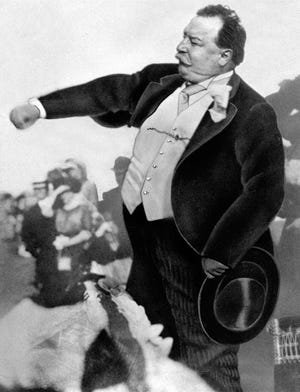
The 27th president of the United States, Republican William Howard Taft, served from 1909 to 1913. He lost his re-election campaign to Democrat Woodrow Wilson, who went on to consummate two full terms.
According to Taft's biography, the president "alienated many liberal Republicans who after formed the Progressive Political party." The party's divide concluded his presidency. When Republicans renominated Taft in 1912, Roosevelt left to pb to Progressives, guaranteeing the election of Wilson.
Benjamin Harrison

Serving from 1889 to 1893, Benjamin Harrison was the 23rd president of the The states. The Republican incumbent lost re-ballot to Democrat Grover Cleveland. Many indicate to growing discontent of third-party Populists, unpopularity of loftier tariffs and government spending at contributors to his defeat.
Harrison had initially replaced Cleveland in the Democrat's 1888 entrada for re-election. But Cleveland ran again in 1892 and won — making him a 2-term (though not consecutive) president.
Martin Van Buren
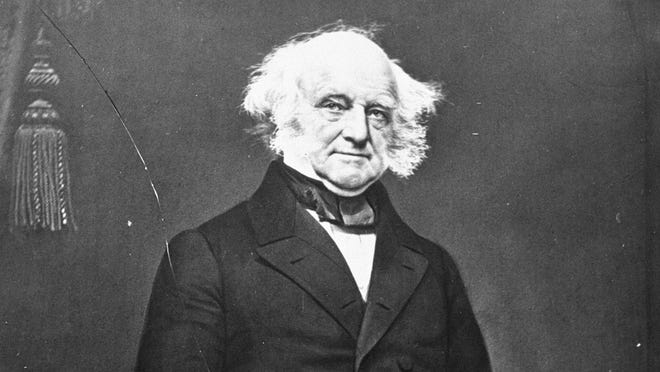
The 8th president of the Usa, Democrat Martin Van Buren, served from 1837 to 1841. He lost his re-election campaign to William Henry Harrison of the Whig party, who died not long afterward taking office.
His biography points to the panic of 1837, where hundreds of banks and businesses failed — halting prosperity the country had witnessed in recent years. Van Buren "devoted himself to maintaining the solvency of the national Government," but his remedies prolonged the depression, and he lost reelection.
John Quincy Adams
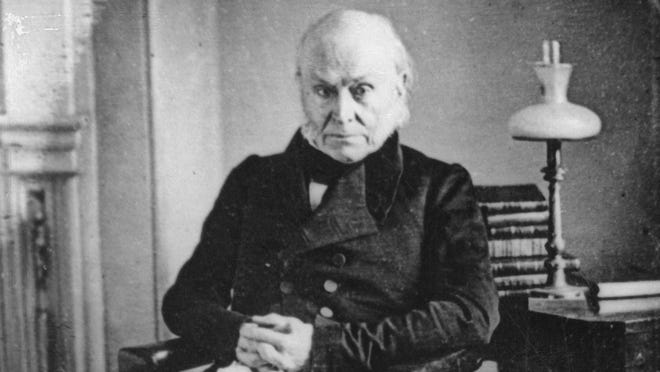
Serving from 1825 to 1829, John Quincy Adams of the Whig party was the 6th president of the United States. The incumbent lost re-election to Andrew Jackson of the Democratic-Republicans.
According to his White Firm biography, Adams' loss is attributed to Jacksonian opponents' accusations of corruption and public plunder — "an ordeal Adams did not easily conduct."
John Adams

The kickoff one-term president was John Adams. The Federalist incumbent served as the 2d president of the United States from 1797 to 1801, but lost re-election to Democratic-Republican Thomas Jefferson.
"In the entrada of 1800 the Republicans were united and constructive, the Federalists badly divided," Adams' biography reads, noting that Adams polled simply a few electoral votes less than Jefferson.

Source: https://www.usatoday.com/story/news/politics/elections/2020/10/30/one-term-presidents-u-s-presidents-who-ran-reelection-but-lost/6085465002/
0 Response to "Presidential Candidate Lost Once Ran Again"
Post a Comment